Getting dressed in hot weather can feel like a daily balancing act: you want to stay comfortable outside, handle chilly indoor spaces, and still feel like yourself. The right approach depends on your routine as much as the forecast.
We offer The Hot Climate Wardrobe Manual as an option for shoppers interested in making warm-weather dressing more manageable. Start with the conditions you face, then choose versatile pieces that work for your activities and personal style.
Start with the Conditions
Temperature is only part of the picture. Humidity can make a close-fitting outfit feel different than it does in dry heat, while direct sun can make an exposed walk more demanding than time spent in the shade. Air-conditioning adds another consideration: an outfit that feels comfortable outdoors may leave you reaching for a layer indoors.
Think through a typical day before deciding what to wear. Do you wait outside for a bus, walk between errands, or spend most of your time in an office? Will you be carrying a bag, sitting for a long stretch, or heading outdoors after work? These details can help you decide how much coverage, movement, and flexibility you need.
If you are building a more intentional wardrobe for these conditions, The Hot Climate Wardrobe Manual is one option to explore. Pair your choices with what you already know about your own comfort.
Build a Comfortable Hot-Weather Outfit
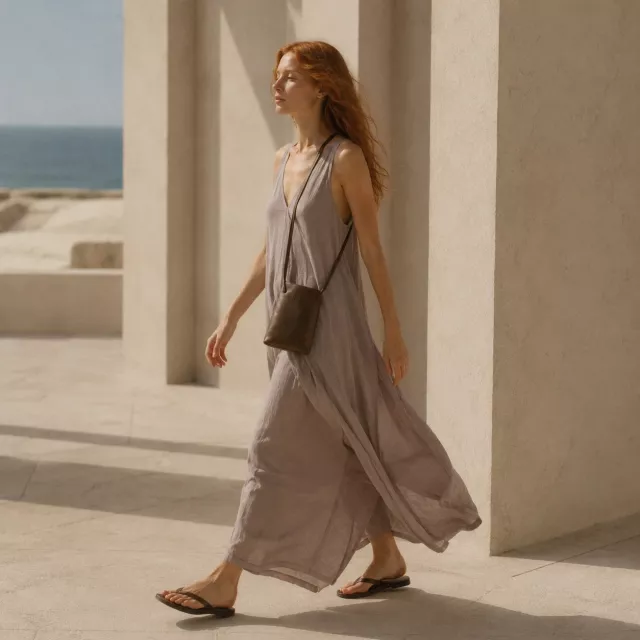
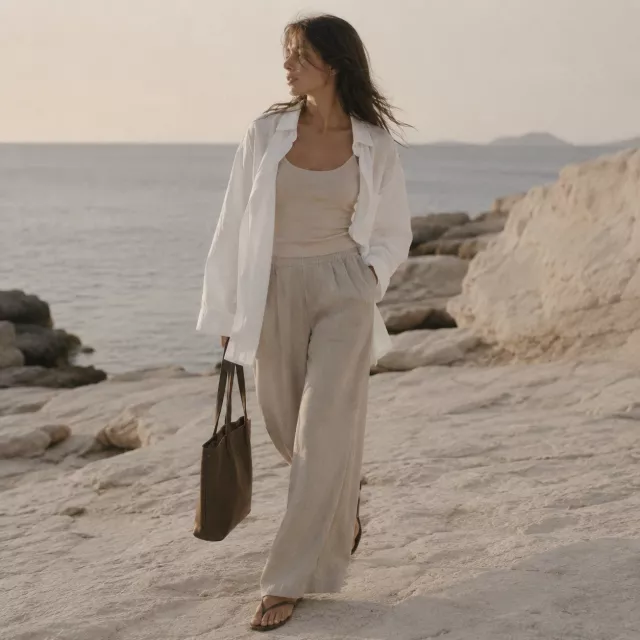
A relaxed fit gives you room to move and can feel less restrictive during a busy day. Look for shirts that do not pull across your shoulders and bottoms that remain comfortable when you sit or walk. Loose does not have to mean oversized: a silhouette that skims rather than clings may be enough.
Lightweight fabrics are worth considering, but fiber names alone do not tell the whole story. Weave, fabric weight, activity level, and personal preference all affect how a garment feels. A fabric that suits a quiet afternoon may feel different during a humid commute. If possible, handle the material and try the garment on before deciding.
Coverage matters, too. A loose long-sleeved shirt or longer skirt can provide more coverage from the sun than a short outfit, while a wide-brimmed hat adds coverage for your face and neck. Choose pieces you can comfortably wear for the time you expect to spend outside.
| Situation | Outfit approach | What to consider |
|---|---|---|
| Sunny errands | Loose shirt, comfortable bottoms, and a wide-brimmed hat | Choose coverage and a fit that allows movement. |
| Humid commute | Lightweight top and relaxed trousers or a skirt | Consider breathable fabrics and a change of clothes if needed. |
| Indoor and outdoor transitions | Light outfit with a removable layer | Prepare for air-conditioned spaces as well as outdoor heat. |
Use these combinations as starting points, not rules. Your preferred sleeve length, dress code, and daily activities may lead you to a different mix. Comfortable footwear and a bag with room for your removable layer can make the whole outfit easier to wear.
Make Your Wardrobe Work Harder
Versatility can make hot-weather dressing simpler without requiring a completely new closet. Start with pieces that pair easily: a relaxed shirt might work with trousers for a commute, a skirt for an outing, or shorts for a casual day. Choose colors and shapes you enjoy wearing together rather than following a fixed formula.
When trying something on, sit down, walk around, and reach forward. Notice whether waistbands dig in, fabric pulls, or the garment shifts in a way that bothers you. A piece that looks right while standing still may feel less practical after a few hours of movement.
Before buying more, look at what you already own and identify the gap you want to fill. Consider care instructions as well. If an item needs special handling that does not fit your routine, it may spend more time in the laundry pile than in your rotation. A washable layer or an easy-care shirt may be more useful for frequent wear.
Keep Comfort and Sun Safety in Mind
Clothing and a wide-brimmed hat can contribute to sun protection, especially when combined with shade and sunscreen on exposed skin. Coverage varies by garment, so consider how much skin a piece covers and follow established guidance rather than relying on clothing alone. The CDC’s sun safety guidance offers practical steps for reducing sun exposure.
What you wear is only one part of staying safe in the heat. Drink water, take breaks from the heat, and pay attention to how you feel, particularly during outdoor activity. For more advice, see the CDC’s guidance on preventing heat-related illness.
Explore The Hot Climate Wardrobe Manual
Ready to make your warm-weather wardrobe more intentional? The Hot Climate Wardrobe Manual is in stock for $20.99 USD. We also offer Dressing for Extreme Heat, another in-stock option for shoppers exploring the same topic. Choose the option that fits your needs and the conditions you dress for most often.
FAQ
What should I look for in clothing for a hot climate?
Consider loose fits, fabric weight, coverage, and the activities you expect to do. Comfort varies with humidity, fabric construction, and personal preference.
Can clothing help protect me from the sun?
Clothing and a wide-brimmed hat can help provide coverage. Combine them with shade and sunscreen, and follow established sun-safety guidance.
How much does The Hot Climate Wardrobe Manual cost?
The listed price is $20.99 USD, and the product is in stock.